The Detriments of the ‘Nice Girl’ Syndrome
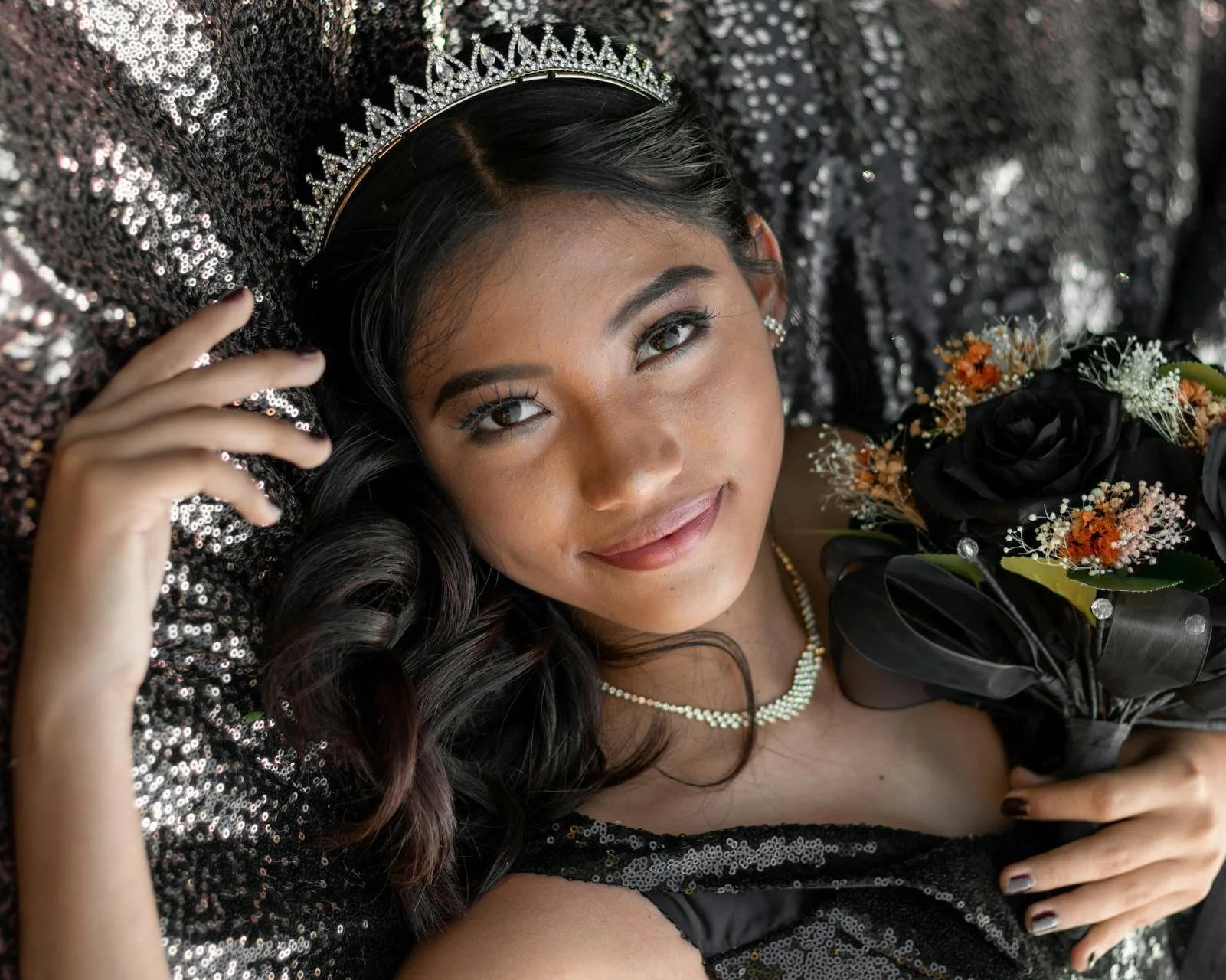
I’ve gotten into the habit of saying, I’m kind, not nice.
Began my transition a couple years ago when I realized “nice” comes with a docile perception of one who’s easy to manipulate. People adore niceness. It’s the skip to my Lou energy people expect when they expect you to give them the benefit of the doubt. Dismiss their problematic behavior and bend to the will of societal rules—turned religion—that preaches being nice gets you ahead in life.
I promise it’s a lie.
It took navigating this life as a nice girl to recognize this persona is inauthentic to who I am in this human experience. A sudden change in my life left me feeling like I was in a foreign land. An alien among the normies and needed to make friends—allies to serve as a tour guide on this unfamiliar terrain. Nice was the only solution, and the only way I knew how to navigate the world stage.
Interacting with people was always challenging, even as a child. The nice and kind versions of myself operated in discord for years. Tugging at my heartstring and fiddling with the contents of mind. Had to be nice to cousins, uncles, preachers, teachers, managers, and mayors. Nice changed into a "shuck and jive" that undermined my identity as a Black woman. I didn’t descend on Earth to pander to people, and particularly to those who didn’t look like me.
While my heart wanted to play nice, my mind knew kindness was gentler on my soul.
In Season 3, Episode 3 of The Muse’s Lab Podcast, I chatted with boudoir photographer and Pleasure Coach—Latoya Dixon Smith, creatress of Greenville Boudoir.
During our pleasure-filled discussion, we hit a point about taking up space. I shared some of my challenges with allowing myself to expand and breathe, and this prompted Latoya to share the details of her workshop, Nice Girl for What? The Art of Sacred Rebellion. The gems she dropped inspired this piece. Click below for a snippet:
Here are three key takeaways from our conversation, detailing why nice girl syndrome is a detriment to our well-being as feminine spectrum persons:
The nice girl syndrome places us in a position to people-please. Honestly, I believe people-pleasing is the ultimate downfall of persons within the feminine spectrum. We learn to divide our emotions and satisfy those in charge and those in need. By deprioritizing ourselves and creating pedestals for others, we inadvertently create a cycle that's difficult to break, one that negatively impacts our feelings, emotions, and mental wellness.
We small ourselves and minimize our light. Heaven forbid we allow our internal light to glow for the world to see. There’s always someone who will attempt to convince us that dimming ourselves makes room for others. Frankly, it’s giving participation trophy—but our reminder is that candlelight is transferable, electricity travels, and the Sun shines in multiple places at once. Meaning, it’s unnecessary to small ourselves to support the insecurity of others. We can all live in our light collectively—minimization not included.
We divert self-advocacy to avoid confrontation. This resonated the most with me because I am relearning the relationship with my voice and developing language that empowers me to speak courageously. I was such a vocal kid and one reprimand from an adult I trusted caused me to dial down my voice and eventually; it turned off. I rescinded my passion, anger, and rage to avoid being labeled and perceived, only to succumb to the inevitable when playing nicely consumed me.
I’m still a recovering people-pleaser and consider the number of times I pushed down how I felt to preserve someone else’s feelings—aware they had no care for my own. Refrained from causing disruption by not challenging others' perception of me.
Nice came with the assumption that I’d concede, accommodate, readjust, alter, pacify, absolve, dismiss, overlook, erase, and accept. Those who considered me nice expected nice girl behavior and felt offended when my true nature revealed itself.
I believe it was serendipitous when I came across messages from Cole Arthur Riley, author of Black Liturgies, Devon Blow, and Dr. Bernasha Anderson championed the necessity of Black women’s anger, our rage. Below are excerpts from Black Liturgies featuring quotes from Dr. Brittany Cooper’s Eloquent Rage, bell hooks, and Audre Lorde’s The Uses of Anger:
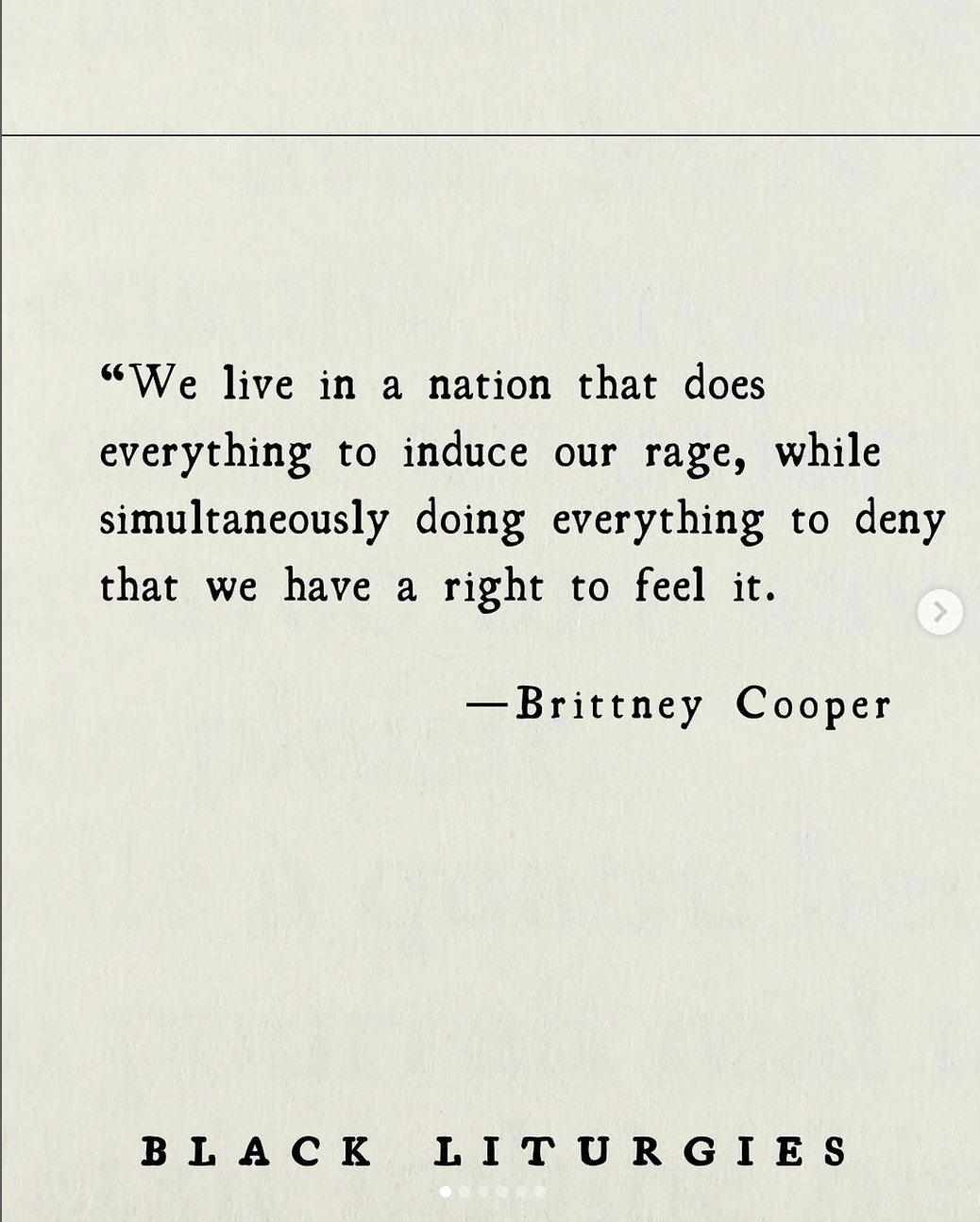
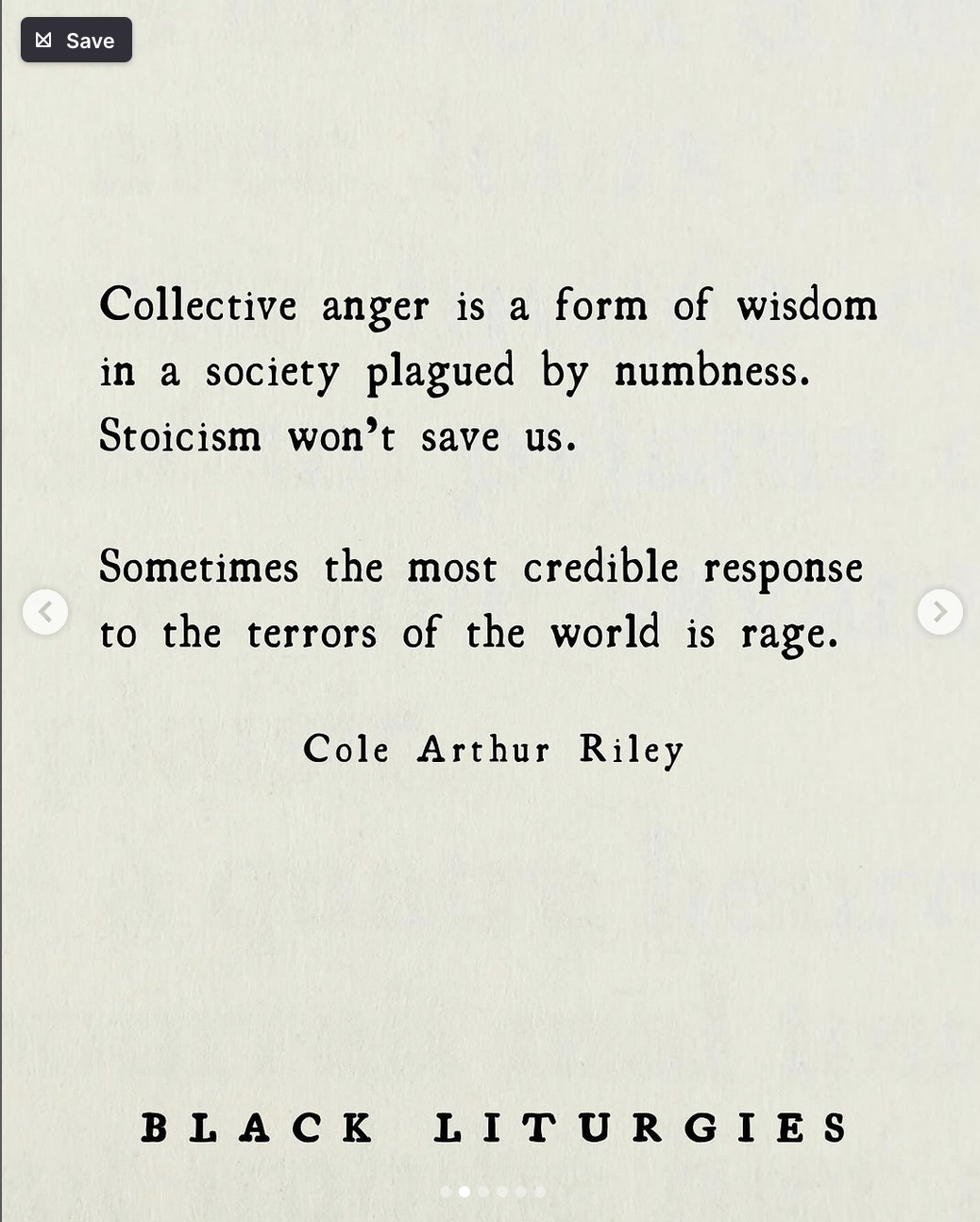
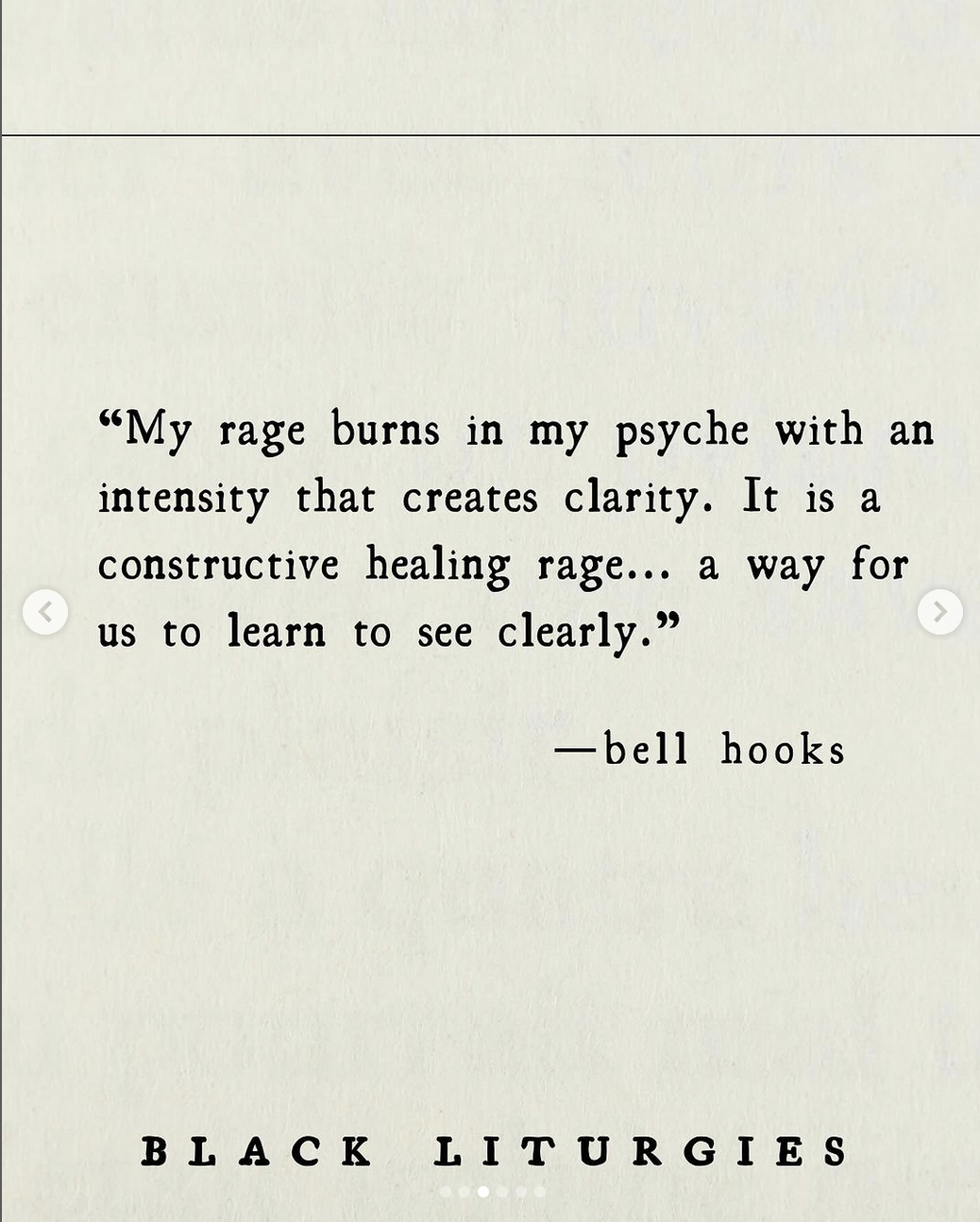
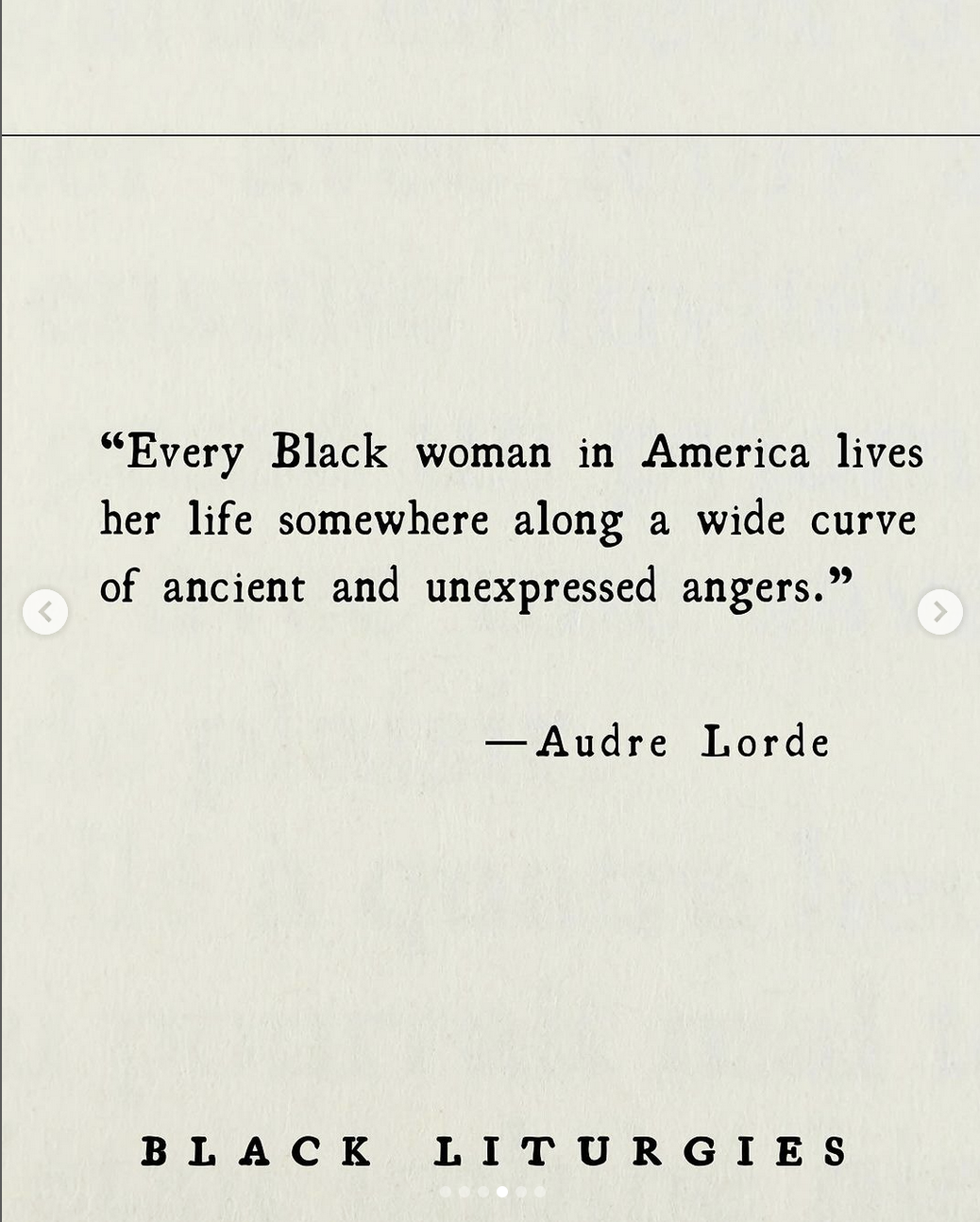
Excerpts from Black Liturgies on Anger and Rage
The nice girl syndrome convinces us that sitting comfortably in our anger is unbecoming and uncouth. That our rage and passion are examples of masculinity—a gender-bending distortion of what “women” should be.
Another lie sold.
It is through our anger that life begins. Consider the countless times you’ve transmuted your anger and birthed something powerful beyond belief. It is our passion that incites innovation. The desire for change fuels our power to correct past sins. Our rage has broken barriers that claimed to be infallible and bridged the gap between the haves and have-nots—even ushered in peace.
Walking into another Feminine Spectrum Herstory Month, aka Women’s History Month, I’m compelled to hold space for all the layers that shape who I am. To allow my anger and rage a space to breathe, to continue on my quest to compose language that aids in ensuring I build and maintain stronger connections with my community and those I love, and to speak—regardless of how nervous or unsure I feel. My voice deserves to be heard, and while I often believe no one’s listening, proof that people show up in the smallest ways.
What I wish for all feminine spectrum persons is that you find your frequency outside of the nice girl archetype. Find your frequency outside of the nice girl archetype and inspiration through the art of sacred rebellion to buck the systems that attempt to pigeonhole us among the prim and proper. Laurel Thatcher Ulrich told us, “well-behaved women seldom make history” and I’ll add to that, nice girls rarely, if ever, have freedom.
And… if nothing else… I desire for us all to be free.
In honor of femmeness.
Click here for the full episode of Boudoir as Self-empowerment with Latoya Dixon-Smith.
(You can find the original post here on my Substack: Thoughts On…)
